
Çizgili zanaat kesme tahtası 1.4 cm
Kesme tahtamız orta derecede kalınlığa sahiptir, bu da çalışmayı kolaylaştırır ve mutf
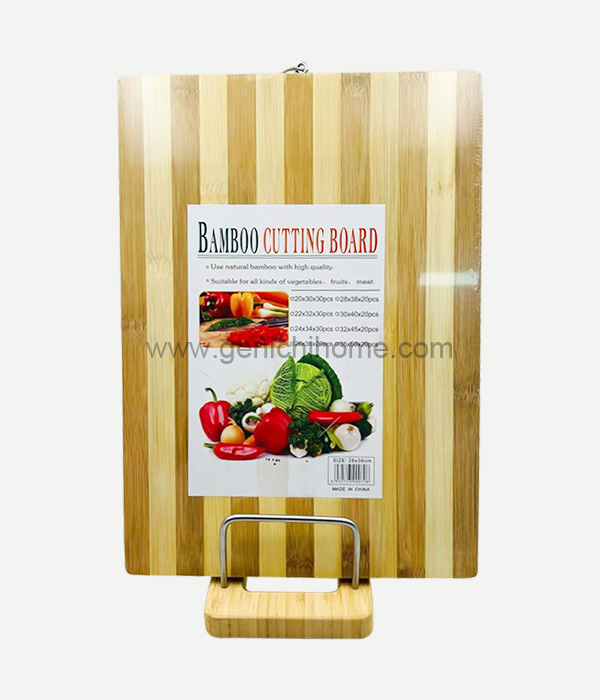
Kesme tahtamız orta derecede kalınlığa sahiptir, bu da çalışmayı kolaylaştırır ve mutf
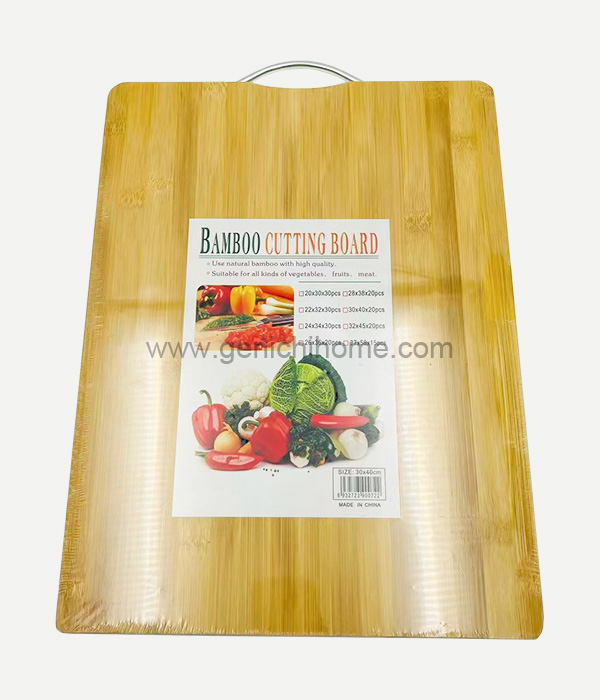
Kesme tahtamız orta derecede kalınlığa sahiptir, bu da çalışmayı kolaylaştırır ve mutf
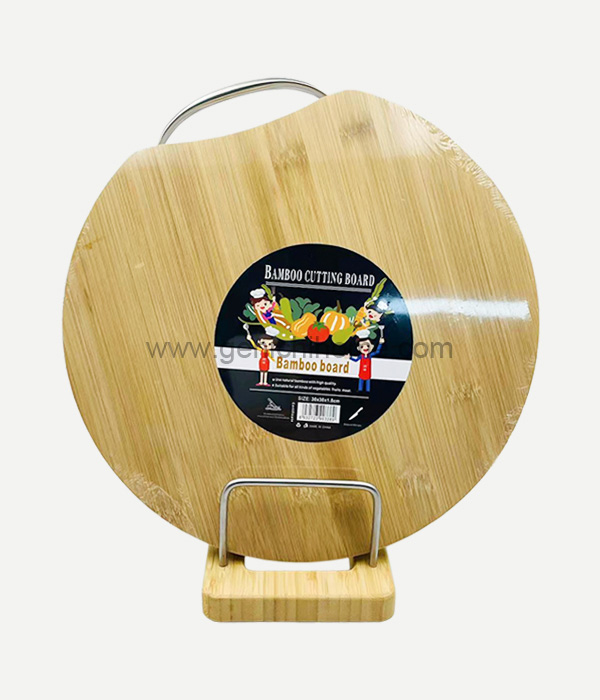
Bambu doğrama tahtamız sadece normal doğrama tahtanız değildir. Dayanıklılığı ve gücü
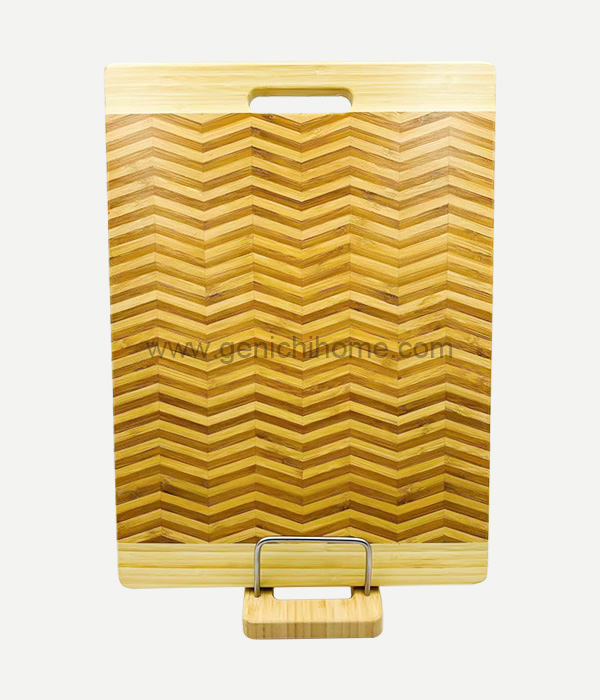
Bambu doğrama tahtamız sadece normal doğrama tahtanız değildir.
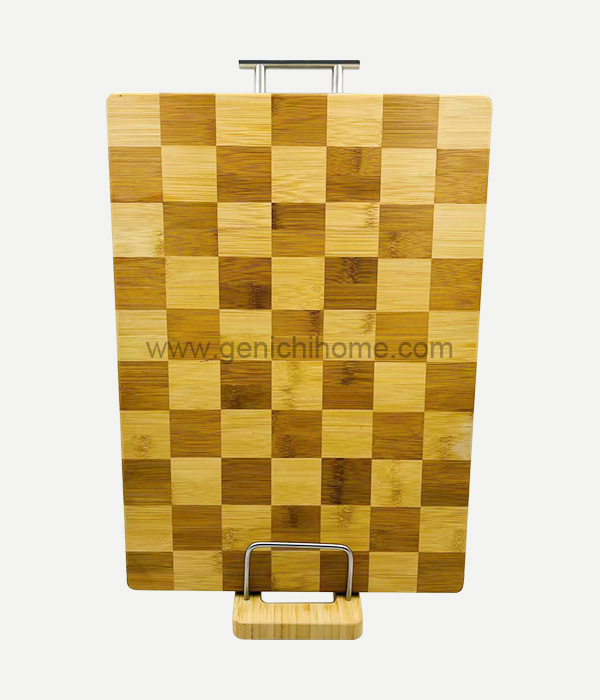
Bambu doğrama tahtamız sadece normal doğrama tahtanız değildir.
Doğrama tahtamız organik bambudan üretilmiştir, bu da kesintilere bile dayanabilen güçlü ve sağlam bir yüzey sağlar. Geleneksel ahşap tahtaların aksine, bambu doğal olarak bıçak izlerine ve bükülmeye karşı dayanıklıdır, bu da onu uzun süreli bir yatırım haline getirir. .

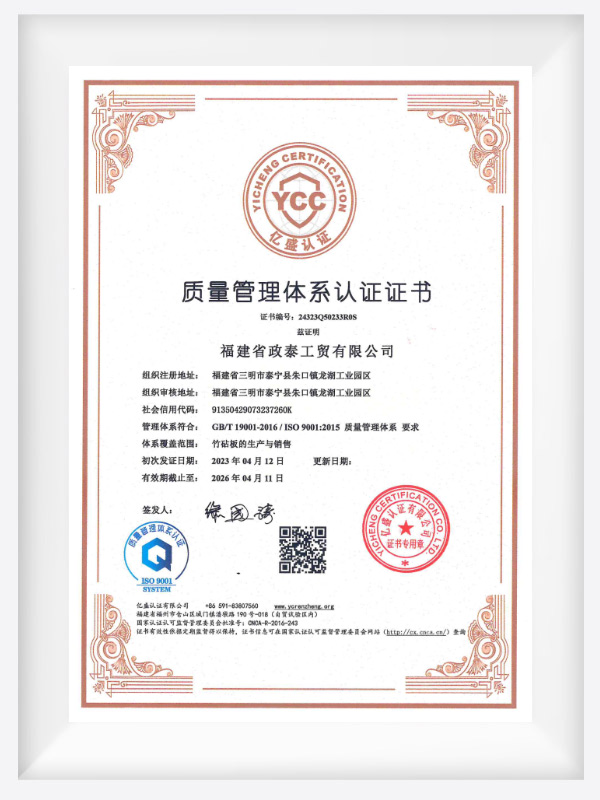
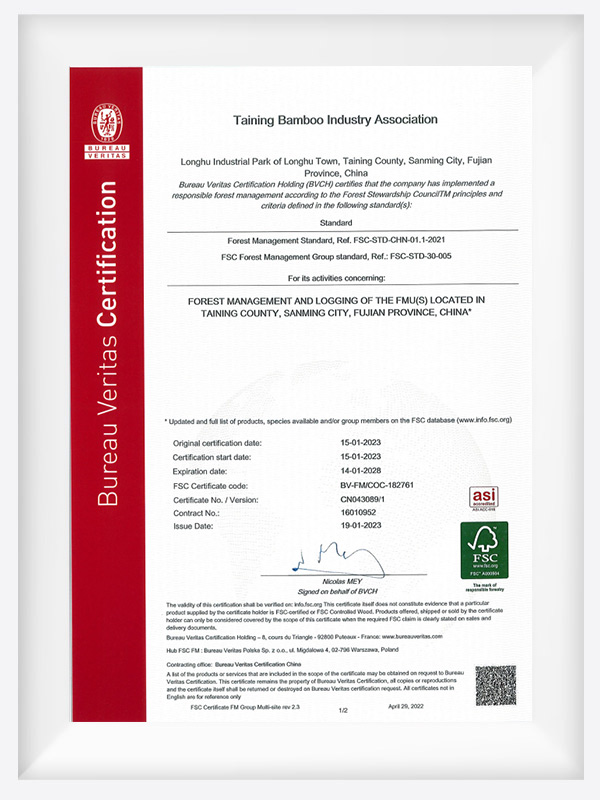
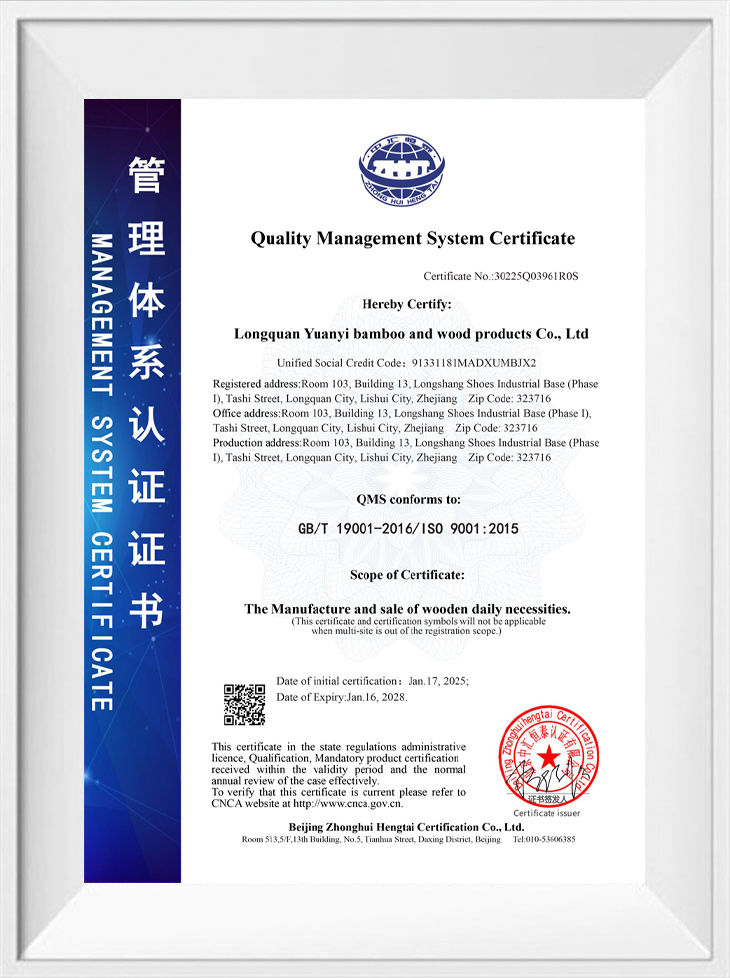
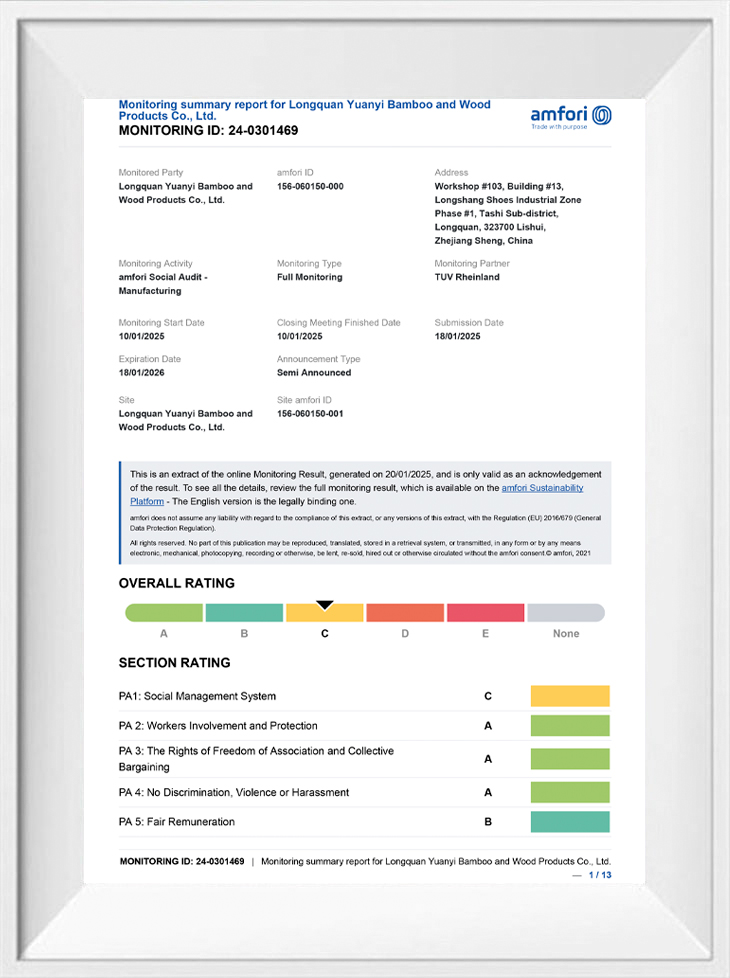
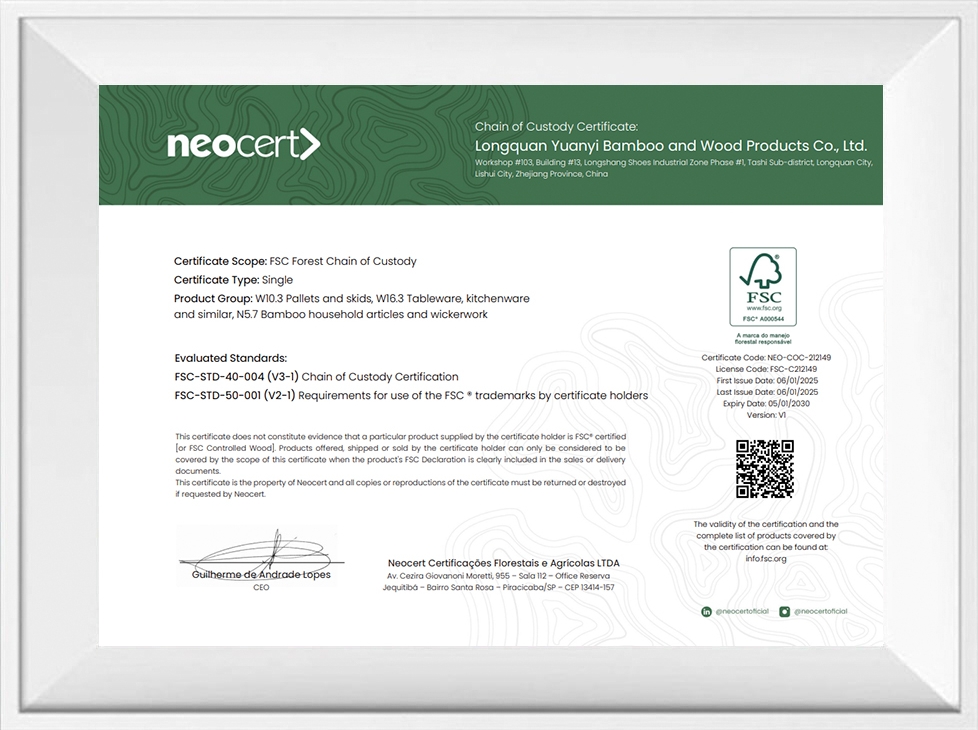
Uzun yıllar boyunca bambu ve ahşap günlük ihtiyaçlarının üretimi, üretimi ve satışları konusunda uzmanlaşmıştır.
Genichi Ev ve Yaşam Temelleri, ürünleri bağımsız olarak tasarlama, üretme ve satma yeteneğine sahibiz.
Küçük toplu ürünlerin üretimini ve özelleştirilmesini destekleyin.


Sürdürülebilir Organizasyon İçin Üstün Seçim bir bambu klip dayanıklılık, estetik minimalizm ve çevresel sorumluluğun ...
DEVAMINI OKUNeden Bambu Bardak Altlıkları Üstün Seçimdir? Bambu bardak altlıkları estetik minimalizm, çevresel sorumluluk ve işlevsel dayanık...
DEVAMINI OKUMendil Kutularına Giriş Doku kutuları işlevsel öğelerden daha fazlasıdır; aynı zamanda hem konut hem de ofis alanlarında dekorun ...
DEVAMINI OKUBambu Klipsi Nedir ve Neden Önemlidir? bir bambu klip modern üretimde en sürdürülebilir hammaddelerden biri olarak ort...
DEVAMINI OKUBambu bardak altlıkları herhangi bir eve yapabileceğiniz en pratik ve çevre dostu eklemelerden biridir. Dayanıklılık, nem direnci...
DEVAMINI OKUBamboo cutting boards are generally quite resistant to scratches and knife marks compared to other materials like plastic or traditional wooden boards. Bamboo is a dense material, which helps to prevent deep cuts and gouges from knives. Additionally, the natural fibers in bamboo tend to close up after being cut, reducing the visibility of knife marks.
However, it's essential to note that while bamboo is durable, it is not entirely scratch-proof. Over time and with regular use, you may notice some surface scratches and marks, particularly if sharp knives are used aggressively. Despite this, bamboo cutting boards tend to maintain their integrity well and can withstand a significant amount of wear and tear before needing to be replaced. Regular oiling and proper maintenance can also help to minimize the appearance of scratches and prolong the lifespan of the cutting board.
Cleaning and maintaining a bamboo cutting board is relatively simple, but it's essential to do it properly to ensure its longevity and hygiene. Here's a step-by-step guide:
Wash with Warm, Soapy Water: After each use, wash the bamboo cutting board with warm, soapy water. Use a mild dish soap and a soft sponge or cloth to gently scrub the surface. Avoid soaking the board in water or placing it in the dishwasher, as excessive moisture can cause the bamboo to swell and warp.
Rinse Thoroughly: After washing, rinse the cutting board thoroughly with clean water to remove any soap residue.
Dry Completely: Pat the cutting board dry with a clean towel immediately after washing. Ensure that both the front and back surfaces, as well as the edges, are completely dry. Standing water can promote the growth of bacteria and lead to warping or cracking of the bamboo.
Air Dry Vertically: Allow the cutting board to air dry vertically, preferably in an upright position, to ensure proper airflow around all surfaces. Avoid laying it flat on a countertop while it's still damp, as this can trap moisture and lead to mold growth.
Apply Mineral Oil (Optional): Periodically (about once a month or as needed), apply a thin layer of food-grade mineral oil to the cutting board's surface. This helps to nourish the bamboo, prevent it from drying out, and maintain its natural luster. Use a soft cloth to apply the oil evenly, and allow it to absorb for several hours or overnight before wiping off any excess oil.
Store Properly: Store the bamboo cutting board in a dry, well-ventilated area away from direct heat sources and sunlight. Avoid leaning it against a wall or stacking heavy objects on top of it, as this can cause warping or deformation over time.
Bize Ulaşın
Address: Oda 1805, İletişim Servisi Endüstri Parkı, No. 183, Wenhui Yolu, Gongshu Bölgesi, Hangzhou City, Zhejiang Eyaleti
E-mail: [email protected]
Hızlı Bağlantılar

